
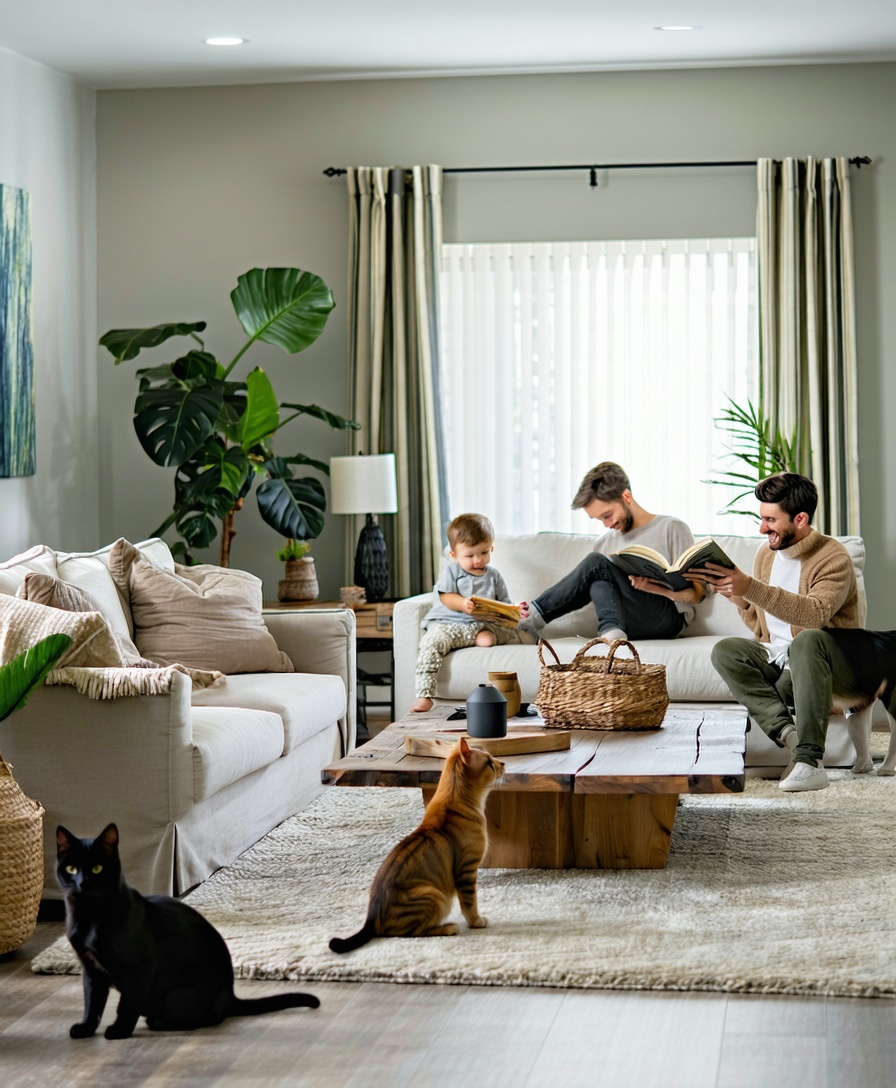
What to Use to Put a Rug Over Carpet: A Quick Guide to Layering Rugs
N
Nano
Editor
October 13, 2024
3 min read
Quick Navigation
Placing an **area rug on carpet** is a fantastic way to define a space, add a pop of color, and layer textures. But if you’ve tried it before, you know the frustration of a rug that slides, shifts, and bunches up with every step. So, what to use to put a rug over carpet to keep it in place?
The answer is simple: a high-quality rug pad designed specifically for carpet.
The Only Tool You Need: A Rug Pad for Carpet

When you put an area rug on carpet, the key is to create a friction barrier between two soft surfaces. A standard rug pad for hard floors won't work, as its smooth backing will just slide. The right solution is a specialized rug pad for carpet.
* **How it works:** These rug pads have a strong, non-slip bottom that grips the carpet fibers below and a firm, slightly textured top that prevents your rug from moving. They are designed to hold tight without damaging your carpet.
* **What to look for:** Choose a rug pad with a waffle-like or grid pattern. This design allows air to circulate, which is especially important for preventing moisture buildup between the rug and the carpet.
Using a rug pad is the single most effective way to keep your rug on carpet from shifting and bunching. It's a simple fix that saves you from constant adjustments.
Tips for Successful Layering

Beyond the rug pad, here are a few extra tips to ensure your layered look is a success.
* **Go Bigger: **A large rug is less likely to shift than a small one. For best results, choose a rug that is large enough to extend under at least the front legs of your furniture. This helps anchor the rug with weight.
* **Choose the Right Rug:** For layering rugs on carpet, a low-pile or flat-weave rug is often the best choice for the top layer. Its firm structure is less likely to wrinkle or bunch compared to a plush, high-pile rug.
* **Embrace the Look:** Don't be afraid to experiment with different sizes and styles. Layering a smaller, more vibrant rug over a large, neutral-toned one can create a cozy and dynamic feel that truly elevates your space.
N
About Nano
**Minimalist Photographer & Spatial Designer** Nano approaches art through the lens of reduction and essence. Specializing in minimalist photography and spatial design, her work is characterized by clean lines, thoughtful negative space, and a refined color palette dominated by earth tones and muted hues. With a background in architecture and Japanese aesthetics, Nano has developed a distinctive style that finds beauty in simplicity and silence. Her artistic philosophy centers on "ma" (間) - the Japanese concept of negative space - believing that what is omitted is as important as what is included. Nano's work invites viewers to slow down and appreciate the subtle poetry of everyday moments and spaces.